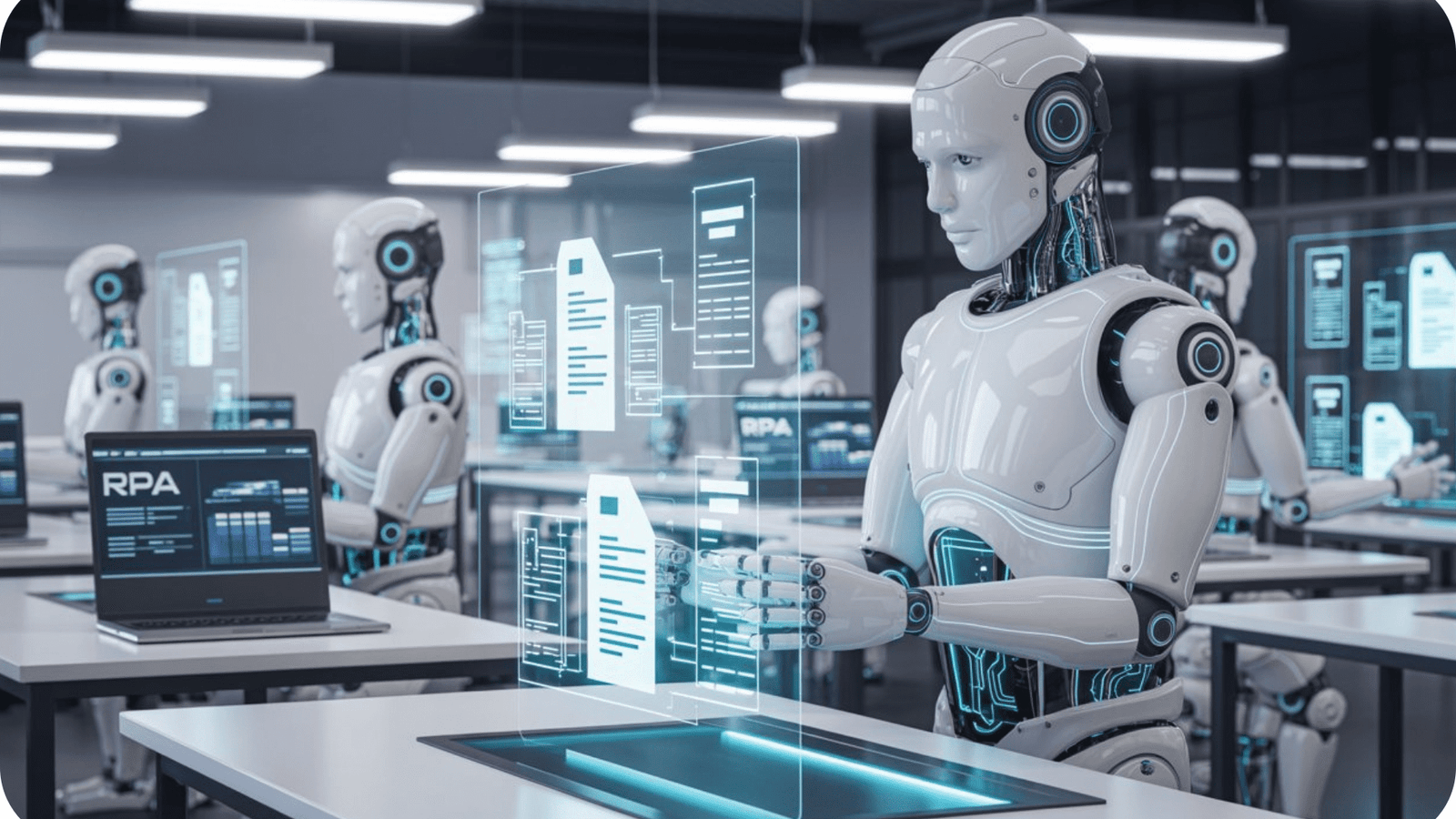
HR automation technology presents a range of advantages that can transform organizational dynamics. By automating routine tasks, companies witness increased efficiency and productivity. Furthermore, enhanced accuracy minimizes errors in data management, which is critical for informed decision-making. The impact on employee experience is notable as well, promoting engagement and satisfaction. However, the broader implications of these advancements warrant deeper examination, particularly in relation to compliance and strategic growth.
Increased Efficiency and Productivity
As organizations increasingly adopt HR automation technology, they often experience a notable enhancement in operational efficiency and productivity.
This transformation is largely attributed to streamlined workflows and time-saving solutions that minimize manual processes.
By automating routine tasks, HR departments can allocate resources more effectively, enabling personnel to focus on strategic initiatives that foster organizational growth and employee engagement.
Ultimately, this cultivates a more dynamic work environment.
Enhanced Accuracy and Reduced Errors
HR automation technology not only enhances efficiency but also significantly improves accuracy and reduces errors in HR processes.
By automating data entry and management, organizations experience substantial error reduction, minimizing the risk of human oversight. This accuracy improvement translates into reliable reporting and informed decision-making, ultimately fostering a more streamlined HR environment.
Consequently, businesses can focus on strategic initiatives rather than administrative discrepancies.
Improved Employee Experience
A positive employee experience is crucial for organizational success, and HR automation technology plays a pivotal role in enhancing this aspect.
By facilitating personalized onboarding processes, new hires feel valued and supported from the outset. Additionally, streamlined communication channels foster collaboration and engagement, allowing employees to navigate their roles effectively.
Ultimately, these advancements contribute to a more satisfying work environment, promoting employee retention and productivity.
Better Data Management and Compliance
Enhanced employee experiences can lead to increased data generation and management challenges within organizations.
HR automation technologies facilitate better data management by streamlining processes and enhancing data security. This ensures that organizations maintain regulatory adherence while minimizing risks associated with data handling.
Conclusion
In summary, HR automation technology acts as a modern oil well, efficiently powering organizational growth by minimizing manual tasks and errors. By enhancing data management and compliance, it supports informed decision-making while fostering a positive employee experience. As HR departments transition from traditional methods to automated solutions, they not only increase productivity but also cultivate a dynamic workplace culture, ultimately positioning themselves for sustainable success in an ever-evolving business landscape.