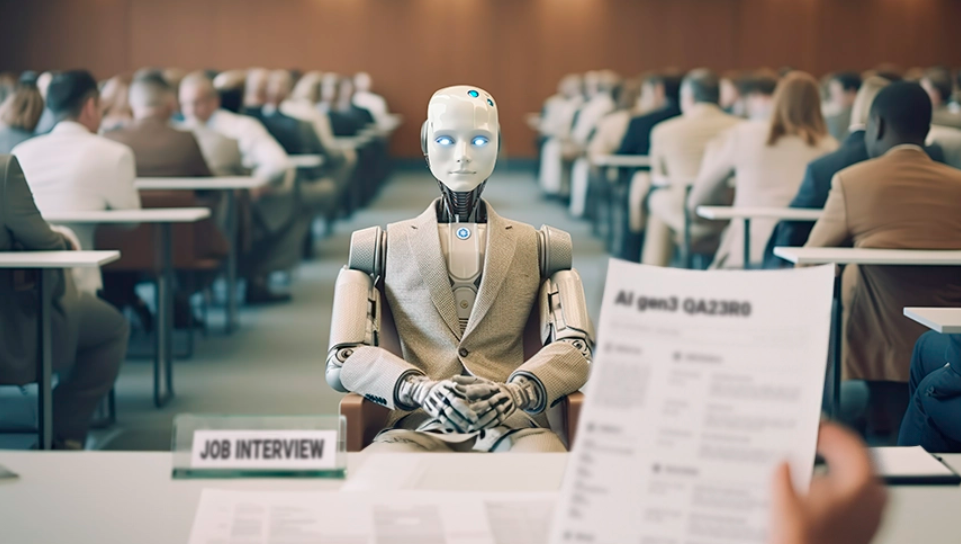
The integration of AI into various sectors presents a complex scenario for employment. While certain jobs, particularly in manufacturing and retail, are increasingly at risk due to automation, new roles are emerging that require specialized skills. This duality raises crucial questions about workforce adaptability and the necessary skills for future employment. As industries evolve, it becomes essential to examine how individuals and organizations can navigate this shifting landscape effectively. What strategies will ensure success in an AI-driven economy?
The Current State of AI and Employment
The rapid advancement of artificial intelligence (AI) technologies has significantly influenced the landscape of employment across various industries.
AI advancements are driving workforce transformation by enhancing productivity and automating routine tasks. This shift creates opportunities for upskilling, emphasizing the need for adaptability among workers.
As industries evolve, the emphasis lies on harnessing AI’s potential to augment human capabilities rather than solely focusing on job displacement.
See also: marketmedianews
Jobs at Risk: Industries Most Affected by Automation
As industries increasingly integrate automation technologies, certain sectors face heightened vulnerability to job displacement.
Manufacturing jobs, characterized by repetitive tasks, are particularly at risk as robotic systems enhance efficiency.
Similarly, retail positions are threatened by advancements in self-service kiosks and online shopping platforms.
These trends indicate a significant shift in labor dynamics, necessitating a reevaluation of workforce strategies amid evolving technological landscapes.
Emerging Opportunities: New Roles in an AI-Driven Economy
While concerns about job displacement due to automation are prevalent, an AI-driven economy also presents a range of new employment opportunities.
Roles such as AI specialists, data analysts, creative technologists, and ethical advisors are emerging to meet the demands of this evolving landscape.
These positions not only leverage technological advancements but also emphasize the importance of ethical considerations in AI development, fostering a balanced workforce.
Preparing for the Future: Skills and Adaptability in the Workforce
Amidst the rapid evolution of the workforce driven by AI advancements, the necessity for skills development and adaptability has become increasingly critical.
Organizations are investing in upskilling initiatives to enhance workforce flexibility, ensuring employees can navigate technological changes effectively.
Data indicates that those who embrace continuous learning are better positioned to seize emerging opportunities, creating a resilient workforce prepared for future challenges.
Conclusion
In conclusion, the interplay between AI and employment presents a complex landscape where both job displacement and opportunity coexist. While traditional roles, akin to typewriters in the age of computers, may diminish, new positions are emerging that require advanced skills and adaptability. Organizations and individuals must embrace continuous learning to thrive in this evolving environment. Ultimately, the future of work will hinge on harnessing the potential of AI while prioritizing human creativity and expertise.